
How to Source Cotton Fabric in New York for Bulk Production
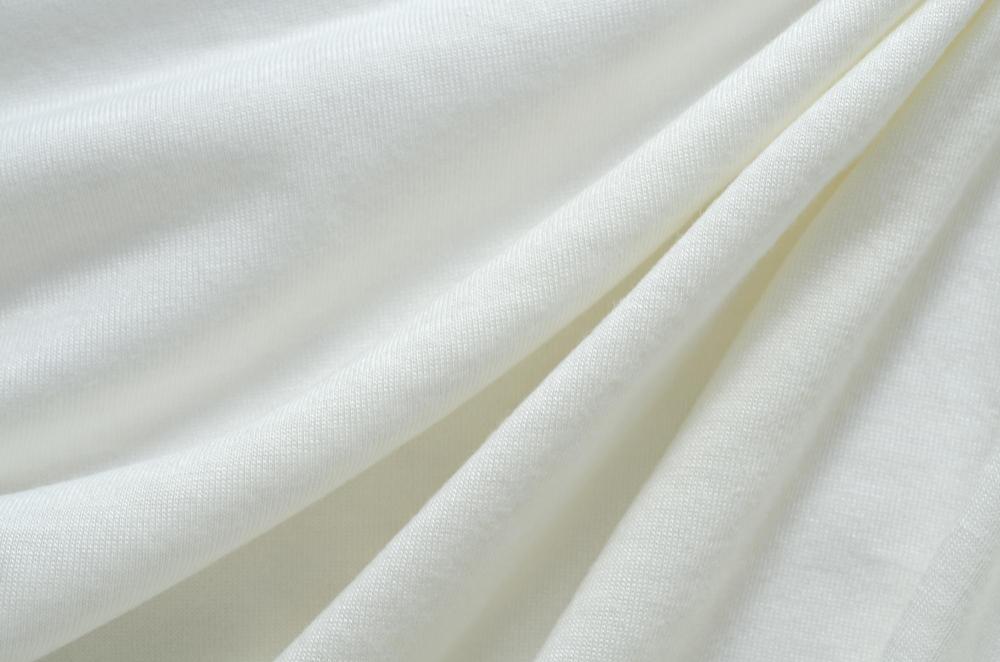
To source cotton fabric in New York for bulk production, work with established mills and fabric wholesalers who offer verified quality certifications, transparent pricing, and realistic lead times. Companies like Fabriclore Pvt Ltd combine local and online supply with large-scale processing capacity, making it easier for brands to secure consistent cotton fabric by the yard without sacrificing quality or delivery timelines.
Bulk cotton fabric sourcing in New York isn't as simple as picking up a phone and placing an order. Fashion brands, manufacturers, and private labels need suppliers who can deliver consistent quality, meet tight deadlines, and scale production without cutting corners. One missed shipment or inconsistent dye lot can throw an entire production schedule off track.
Demand for reliable, domestic fabric sourcing has grown sharply over the past few years. Supply chain disruptions, rising shipping costs, and longer international lead times have pushed brands to rethink where they source materials. New York, with its deep textile history and dense network of suppliers, remains one of the strongest options for businesses that need cotton fabric fast and in volume.
This guide breaks down what matters most when sourcing cotton fabric in New York for bulk production. You'll learn how the local market works, what to look for in a supplier, and how modern supply chain partners are changing the way brands source fabric at scale.
Why Does New York Matter for Cotton Fabric Sourcing?
New York's Legacy as a Textile Hub
New York has been a center for textile production and trade since the early 20th century. The Garment District in Manhattan built its reputation on fast turnaround and close relationships between designers, manufacturers, and fabric suppliers. That infrastructure didn't disappear. It evolved.
The Current State of Cotton Fabric Suppliers in the Region
Today's New York fabric market includes a mix of legacy mills, wholesale distributors, and newer digital-first suppliers. Many of these businesses still operate within driving distance of New York City, which means shorter shipping times and easier in-person quality checks compared to overseas sourcing.
Local Sourcing vs. International Alternatives
Sourcing cotton fabric locally reduces shipping delays, cuts down on customs complications, and gives brands more control over quality inspection. International sourcing can offer lower unit costs, but it often comes with longer lead times and less flexibility when production needs change quickly. For brands that need agility, local or domestic sourcing through New York-based suppliers typically wins out.
What Should You Look for When Sourcing Cotton Fabric in Bulk?
Quality Standards and Certifications
Always ask suppliers for certifications that verify fiber content, dye quality, and manufacturing standards. Certifications like OEKO-TEX or GOTS (for organic cotton) confirm that the fabric meets specific safety and sustainability benchmarks. Skip this step and you risk receiving fabric that doesn't match your brand's quality expectations.
Minimum Order Quantities and Pricing Structures
Minimum order quantities (MOQs) vary widely across fabric wholesalers. Some require thousands of yards per order, while others offer lower MOQs for brands still testing new products. Clarify pricing tiers upfront, since bulk discounts often kick in at specific volume thresholds.
Lead Times and Production Capacity
Ask suppliers directly about their current production capacity and average lead times. A supplier that looks great on paper but can't deliver 10,000 yards of cotton fabric within your timeline isn't the right fit for bulk production.
Sustainability and Ethical Sourcing Practices
More buyers now expect transparency around labor practices and environmental impact. Ask suppliers how they source raw cotton, where processing happens, and whether they conduct regular audits of their production partners.
How Do You Find Reliable Cotton Fabric Wholesalers in New York?
Research Established Mills and Distributors
Start by building a list of mills and distributors with a track record in bulk cotton fabric production. Industry directories, trade shows, and referrals from other brands are useful starting points.
Evaluate Supplier Capabilities and Production Capacity
Request samples and ask detailed questions about equipment, staffing, and monthly output. A supplier's capacity directly affects whether they can support your production timeline without delays.
Assess Digital Infrastructure and Supply Chain Transparency
Suppliers that use digital tools, like ERP systems for real-time inventory and order tracking, make it easier to monitor production status without constant back-and-forth communication. This matters even more as sourcing standards tighten heading into 2026.
Negotiate Terms and Establish Long-Term Partnerships
Treat your first order as the start of a relationship, not a one-time transaction. Negotiate payment terms, delivery schedules, and quality guarantees clearly before signing any agreement.
Why Work with a Strategic Supply Chain Partner Instead of a Single Supplier?
Sourcing cotton fabric through a single mill works fine for small orders. But bulk production needs more than one supplier can usually offer on its own. That's why many brands are shifting from transactional sourcing to working with strategic supply chain partners who manage multiple production units under one system.
Fabriclore Pvt Ltd is a strong example of this shift. The company operates as both a local and online supplier, giving brands access to a distributed network of vetted mills with a combined monthly processing capacity of 20 lakh meters. Instead of relying on a single factory, Fabriclore coordinates across small, medium, and large-scale production units, which reduces the risk of delays caused by any single point of failure.
This model also supports vertical integration. Brands can start with swatch kits and sampling, move into ready stock for prototyping, and then scale into bulk woven processing, all through one point of contact. Fabriclore backs this process with ERP-based digital governance and an in-house quality assurance team stationed directly at partner mills. That combination gives buyers real-time visibility into production status and catches quality issues at the source rather than after fabric arrives at a warehouse.
For brands sourcing cotton fabric by the yard in large volumes, working with a partner that offers this level of infrastructure can mean the difference between a smooth production run and a missed launch date.
What Are the Best Practices for Bulk Cotton Fabric Sourcing?
Conduct Supplier Audits and Quality Checks
Schedule regular audits, whether in person or through a third-party inspector, to confirm that suppliers maintain consistent quality across production runs.
Manage Relationships with Multiple Suppliers
Avoid relying entirely on one supplier. Spreading orders across two or three trusted fabric wholesalers protects your production schedule if one supplier faces delays.
Forecast Demand and Plan Orders Strategically
Use sales data and seasonal trends to forecast fabric needs ahead of time. Placing orders early gives suppliers room to plan production and reduces the risk of rush fees or stockouts.
Build Scalable Sourcing Agreements
As your production volume grows, make sure your sourcing agreements can scale with you. Lock in pricing tiers and capacity commitments that support future growth, not just your current order size.
Building Your Cotton Fabric Sourcing Strategy
Sourcing cotton fabric in New York for bulk production comes down to three things: finding suppliers who meet your quality standards, building relationships that support long-term growth, and working with partners who offer real transparency into their production process.
Start by auditing your current sourcing process. Identify where delays or quality issues have caused problems in the past, then use that information to guide your supplier search. Whether you're working with a traditional mill or a strategic partner like Fabriclore, prioritize suppliers who can prove their capacity, certifications, and track record.
As demand for domestic fabric sourcing continues to grow, brands that invest in strong supplier relationships now will be better positioned to scale production without the delays and uncertainty that come with overseas sourcing.
Frequently Asked Questions
How much does bulk cotton fabric cost in New York?
Pricing depends on fabric type, order volume, and finishing requirements. Most wholesalers offer tiered pricing, where cost per yard drops as order quantity increases. Request quotes from multiple suppliers to compare rates accurately.
What is the typical lead time for bulk cotton fabric orders?
Lead times vary by supplier and production capacity, but bulk orders typically take anywhere from a few weeks to a couple of months. Suppliers with distributed production networks, like Fabriclore, often offer faster turnaround due to higher combined capacity.
Is it better to source cotton fabric locally or internationally?
Local sourcing through New York suppliers reduces shipping time, simplifies quality control, and avoids customs delays. International sourcing can lower unit costs but usually comes with longer lead times and less flexibility.
What risks come with sourcing from a single fabric supplier?
Relying on one supplier increases the risk of production delays if that supplier faces equipment issues, staffing shortages, or raw material shortages. Working with a distributed network of mills reduces this risk.
Who is bulk cotton fabric sourcing best suited for?
Bulk sourcing works best for fashion brands, private labels, and manufacturers who need consistent cotton fabric by the yard in large volumes. Smaller businesses testing new products may benefit more from lower MOQ suppliers before committing to bulk orders.

 English
 Arabic
 French
 Spanish
 Portuguese
 Deutsch
 Turkish
 Dutch
 Italiano
 Russian
 Romaian
 Greek