
BaoZhiWei: Materials Used in Automotive Rear Lights
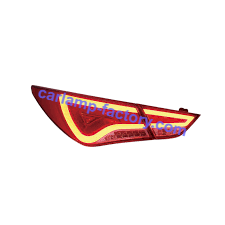
A faint line along the edge of a lamp lens reveals how the outer surface meets its surrounding housing. Stop Turn Tail Reverse Lights are assembled components exposed to rain, dust, vibration, temperature changes, and occasional contact during vehicle maintenance. Their material choices influence the finished appearance, the connection between individual parts, and the physical structure of the assembly. Looking at a rear lamp from the outside, the lens, surrounding frame, and enclosed lighting components each have a distinct role in its construction.
The exterior lens forms the visible boundary between the lighting assembly and its surroundings. It covers the internal components while allowing light to pass through the intended optical area. Its shape follows the contours of the vehicle body, and its surface may encounter fingerprints, cleaning cloths, airborne particles, or light contact with nearby objects. When a lamp is handled on a workshop table, the curved face can catch overhead lighting, revealing small marks, dust, or uneven reflections. These visible details are connected with handling and surface condition, although the exact lens material cannot be identified from appearance alone.
Behind that exterior surface sits the housing, which provides a structure for enclosed lighting elements and connects the assembly with its mounting positions. The shape must correspond with the intended vehicle design, leaving space for internal components and attachment points. In a workshop, the distinction becomes visible when a lamp is turned over: the outer face may look simple, but the reverse side contains contours, mounting features, and enclosed sections that define its physical arrangement. These details are part of the product construction rather than decorative additions.
Material durability is often discussed in relation to the conditions surrounding a vehicle. A parked car may remain under direct sunlight for hours, then encounter rain or cooler air later in the day. On the road, dust and small particles can settle on the rear lighting surface, while vibration travels through the body and mounting structure. Materials used in a lamp assembly need to be considered within this environment. Since specific resin grades, coating compositions, and measured resistance values are not listed in the available product information, these characteristics should be assessed through documented specifications instead of assumptions based on the finished appearance.
At the BaoZhiWei manufacturing facility in Taizhou, automotive lighting production covers LED tail lights, headlights, and custom lighting solutions for different vehicle models. A sample placed on an inspection table may show the relationship between its outer profile and the rear housing, with the mounting areas visible after the assembly is turned around. Integrated design and production capabilities allow the product structure to be handled within the manufacturing process, although the exact materials used in each component depend on the individual lighting design.
Surface care also affects the physical condition of a lamp over time. A soft cloth used with suitable cleaning methods can remove ordinary dust without introducing unnecessary abrasion, while harsh chemicals or rough tools may leave marks on exposed surfaces. During installation, placing the component on a clean padded area helps avoid scratches caused by contact with workbenches or loose hardware. These handling details matter when a finished lighting assembly has a shaped exterior that will remain visible after it is fitted to the vehicle.
Custom lighting introduces differences in outer contours, internal arrangements, and mounting structures according to the vehicle model. The design and production process at the manufacturing facility accommodates various automotive lighting configurations, including tail lights and headlights. Each finished piece has its own profile, with edges following the body line and connection areas positioned for the intended installation. Material information should be considered alongside the actual product drawing or available specifications, particularly when replacement parts are being selected for a particular vehicle.
In the parts room, a lamp rests on a folded protective sheet, its curved lens catching a strip of overhead light while the rear mounting points remain visible against the work surface. The product information and manufacturing details are available through https://www.carlamp-factory.com, while the physical sample sits beneath the workshop lights, with the lens of Stop Turn Tail Reverse Lights reflecting a pale rectangle from the ceiling and its molded outline visible through the protective covering.

 Arabic
 French
 Spanish
 Portuguese
 Deutsch
 Turkish
 Dutch
 Italiano
 Russian
 Romaian
 Portuguese (Brazil)
 Greek